AI: Is Music Production A Lost Art?
 By Breaking Music · 3 June 2026 · 5 min read
More than a cop out for the gruelling songwriting process, AI in music is changing lives and preserving all that we hold dear. And still, we shouldn't use it.


AI: Is Music Production A Lost Art?
There has been this subtle pollution in the air. The kids are now singing along to earworms generated by artificial intelligence (AI). Young parents are losing their rightful role as performers, where the stage is by their sleeping child’s bed, and the craft? Special nursery rhymes passed down from generations before them. The adults are not alright, either. It was one thing to accept the same four chords that would appear in every pop song ever, but it’s another feat entirely to receive tunes that were never touched by a human hand.
Between 2024 and 2025, the number of AI-composed tracks doubled on all streaming platforms. Suno, the most popular AI music generator right now, has been used to create brainrot music for the kids, alongside some Japanese lo-fi and indie-pop tracks that have all surprisingly garnered millions of streams online.
The audience will consume what they enjoy; to each their own. However, for musicians, this disruptive AI force begs these questions: Is everyone still willing to be inconvenienced during the creation and production of their repertoire? Is AI going to become the same unshakeable companion it is to musicians, as it is to every university student out there right now? Are the children dreaming of electric sheep?
Who is using AI to make music, and how?
The gimmick that brought AI to the forefront of music is when celebrities started sanctioning the use of their voices for creative endeavors ⎯ given a reasonable royalty split involving the technological founders and artist themselves, of course. Artists like Grimes, Sevdaliza and Holly Herndon are now allowing the public to sample their voices, introducing a transcendental way for artists and fans to interact. Imagine an artist that saved your life can now say something a lot more personal to you. It’s no wonder the tides turned when the benefits started looking like this.
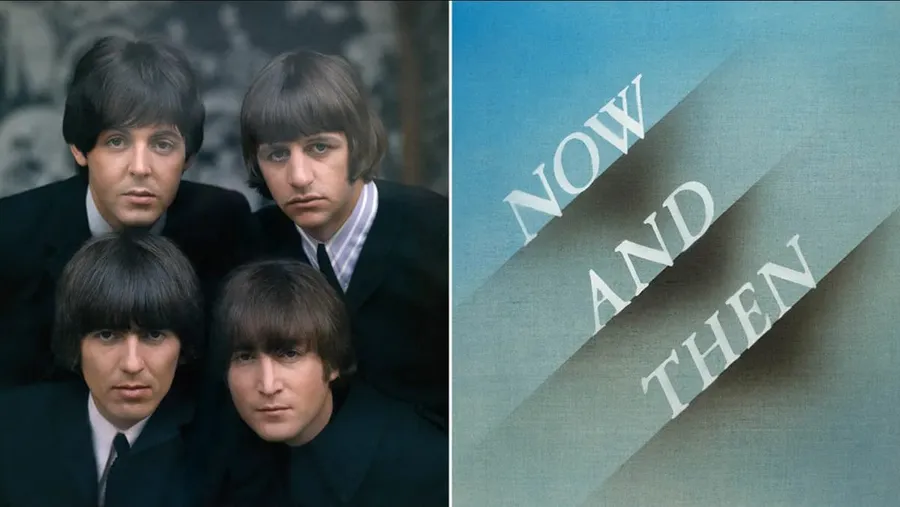
Not only that, AI has been known to support the restoration of lost art. The Beatles released their final “song” through the help of AI. Now and Then is the crystal clear track it is now because Machine Audio Language (MAL) extracted John Lennon’s vocals through an otherwise unusable recording from the 1970s.
More presently, Randy Travis, an American country and gospel singer, suffered a stroke and lost his voice. After ten years away from his craft, he managed to release a song in 2024 with some help from AI. Textures from past stems of Travis’s voice were projected onto the voice of James Dupré, a cherry-picked musician and friend. Just like that, there is one less victim of an untimely tragedy.
It is all too familiar, eerie and ironically human that even in music, technological advancement is synonymous with human longevity. Preserving all that we hold dear is often quoted as mankind’s noblest pursuit, so much so that it becomes a difficult argument within this context that AI simply has no place in music.
The Lost Art of Music Production
Back when parents were still their children’s favourite singers, musicians were creating precious gems from scratch. There is a reason that behind-the-scenes footage is so highly sought after. Biographies, interviews, articles and movies surrounding the making of albums, singles, and our favorite singers and bands have created new industries in and of themselves.
Soft folk duo, Simon and Garfunkel, had issues finding the right depth on the snare of their hit song, The Boxer. They do say it is better to think while walking. So it was no surprise that during one at Columbia Studios, their producer, Roy Halee, stumbled upon the perfect acoustics by the elevator. In no time, a full drumset was placed near the shaft, and the booming echo from that day created a landmark out of an otherwise regular lift in a building.
During the summer of 1966, Yellow Submarine by The Beatles was receiving its final touch-ups in a bathroom. To incorporate more of the underwater realm to their album, John Lennon blew bubbles into a straw while other members got busy rattling chains and creating “whoosh” sounds in a bathtub.
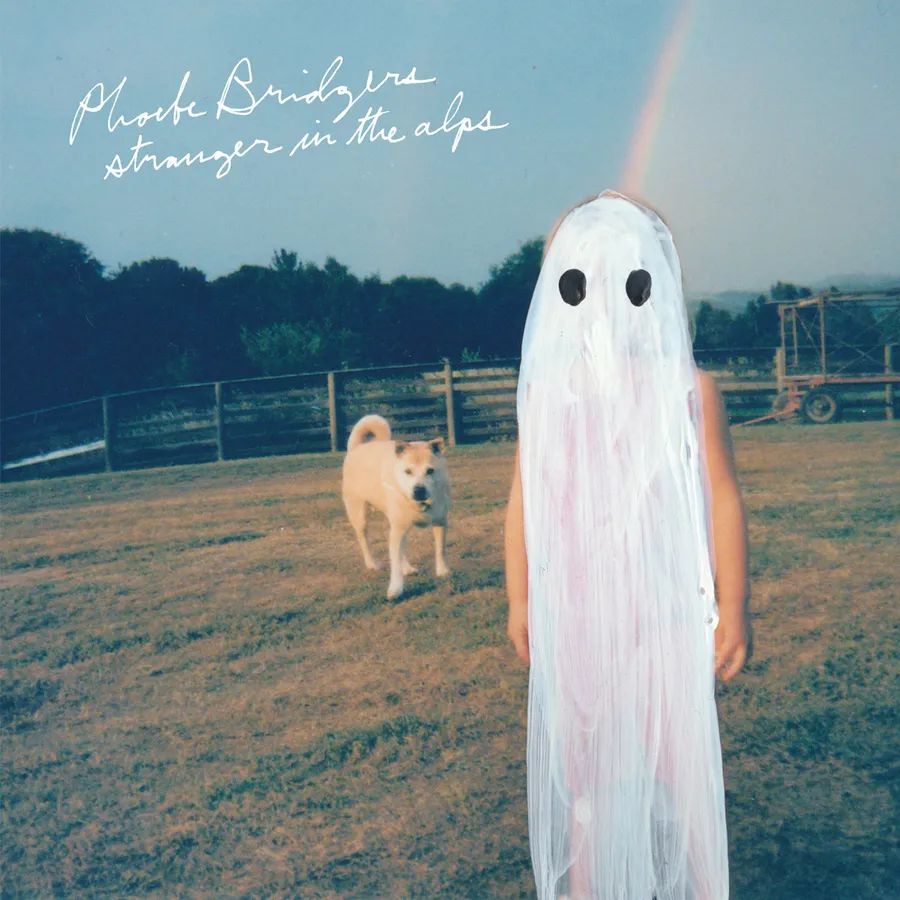
In the vein of watery sounds, Motion Sickness by Phoebe Bridgers contains this tremolo effect that surfaces in the second half of the song, trying to replicate the feeling of actual motion sickness. In a beautiful, full circle way, the tremolo effect has an origin story rooted in water. In 1941, the DeArmond company had developed the first known tremolo effect unit. Just like a pedal, it goes between the guitar and amplifier. Inside it is a small glass jar containing a water-based electrolytic fluid, which gets shaken by a motor. As liquid splashes against the pin, the signal is shunted to ground.
Not to forget local heroes, The Malaysia Blessing is a song sung by 120 singers, all recorded remotely using a variety of devices. It ranged from mobile phones to high-end windscreen microphones, all varying in quality and noisescapes. John Jeevasingham, the main producer and sound engineer, chirped that it was worth it in the end to not cheap out on effort when the song itself represents a nation united by religion. Nevermind the ability to replicate whole choirs using AI now, there was the option then to create digital harmonies and yet still, the organic version on YouTube prevails.
Music Should Stay Messy, Inconvenient
For the average musician, it makes sense to not want to sit on a vision for too long. AI is a convenient resource, but you do pay an invisible price. Music is as much about the process as it is about the product. Consumers want to dig their teeth into an artist’s whys and hows. If AI keeps clipping otherwise long, complex and often relatable stories behind a song, we are left with a barren musical landscape; an echo chamber.
In place of AI, call a friend or the producer you’ve always thought you could trust with your ideas. Preserve human touch and create more historical sites, like the Columbia building. Prioritise the creation of new memories for yourself and exercise your musical muscles. It could one day reach the ear of your child, where you are forever the favourite singer.